Email Marketing and Automation for Online Stores: Turning One Time Buyers into Returning Customers
In this article
- Summary
- Why owned channels matter
- Collecting contacts with clear permission
- Transactional messages: the most read
- Automated flows worth doing first
- Abandoned baskets: reminding without pestering
- Segmentation: messages that are relevant
- Message content and tone
- Deliverability: getting messages into the inbox
- Frequency and customer choice
- Email, WhatsApp, and app notifications
- Measuring results honestly
- Choosing a tool and connecting it to the store
- Common mistakes to avoid
- First steps you can start this week
- Closing
Most online stores spend a great deal of effort and money bringing in new buyers, then do almost nothing once the first order is complete. The customer receives the goods, the store receives the money, and the relationship stops there. The following month the store pays for advertising again to find new people, while hundreds of people who have already bought and were satisfied are never spoken to again.
Email and automated messages are the cheapest way to fix that. Unlike followers on social media, a customer contact list is an asset you own yourself. Its reach does not depend on algorithm changes, and its cost does not rise every time a competitor raises their ad bid.
This article covers how to build email marketing and automation for an online store responsibly. We discuss collecting contacts with permission, the automated flows worth doing first, segmentation, message content, deliverability, the relationship with WhatsApp and app notifications, and how to measure results. There are no invented figures on open rates or sales; each store's results differ and can only be known by measuring them yourself.
Summary
- A contact list gathered with permission is an asset the store owns, independent of other platforms
- Prioritise a few automated flows triggered by customer behaviour before sending mass broadcasts
- Simple segmentation based on purchase history makes messages feel relevant
- Protect sender reputation with domain authentication, a clean list, and a reasonable frequency
- Measure by revenue and repeat purchases, not only by how many people open a message
Why owned channels matter
A store that relies only on advertising and marketplaces is in effect renting customers' attention. As long as it pays, buyers come. Once costs rise or platform rules change, that flow changes too, and you cannot control it. A list of customer emails and numbers gathered with permission gives you a direct line that passes through no intermediary.
Selling to people who have already bought is also generally easier than convincing strangers. They already know the quality of your goods, already have an account, and already trust that the parcel will arrive. What they need is often just the right reminder at the right moment.
Email has properties that suit this task. It can carry a long explanation, product images, and a direct link to the basket. It does not intrude the way a phone call does. And almost every online shopper has it, because an email address is needed to receive an order confirmation.
Collecting contacts with clear permission
The foundation of all this is permission. Send marketing messages only to people who have knowingly agreed to receive them. A list that is bought or gathered quietly is not just an ethical and legal problem; it also damages your sender reputation, because recipients who do not feel they signed up will mark your messages as spam.
Provide a few sensible sign up points: a checkbox on the checkout page that is not preticked, a form at the bottom of the site, an offer on the page of a sold out product, and sign up in the app. Explain what customers will receive and how often. An honest promise yields a smaller but more valuable list.
Distinguish transactional messages from marketing messages. Order confirmations, payment receipts, and shipping notices are part of the service. Promotions and newsletters are a different matter that needs its own consent. Align your practice with the personal data protection rules that apply to you, and always provide an easy way to unsubscribe in every message.
Unsubscribing must be easy
A hidden unsubscribe link does not keep customers; it only turns people who want to leave into people who report spam. Spam reports damage the deliverability of your messages to other customers who do still want to receive them.
Transactional messages: the most read
Transactional messages are the ones customers wait for most. They want to know their order was recorded, their payment was received, and their parcel is on its way. Many stores leave these messages just as the platform ships them, even though this is the touchpoint most certain to be seen.
Tidy the content first: a clear order summary, the shipping address, the estimated time, the tracking number with a tracking link, and how to contact the store. Use a sender name and look that are consistent with your brand. Tidy transactional messages reduce questions to customer service and add to the sense of security.
You may add a little helpful content, such as care instructions or how to use the item. Resist cramming transactional messages with promotions. Their main purpose is to give certainty, and rules in many places draw a firm line between service messages and marketing messages.
Automated flows worth doing first
An automated flow is a message that sends itself when a customer does, or does not do, something. Once set up, it keeps working without having to be sent manually. For a store just starting out, the following flows usually give the most noticeable result for the effort spent.
- 01Welcome: a short series for new subscribers introducing the store and its flagship products
- 02Abandoned basket: a reminder for those who added items but have not completed payment
- 03After purchase: a thank you, usage instructions, then a request for a review
- 04Repeat purchase: a reminder when a consumable item is expected to be running low
- 05Back in stock: a notice for those who signed up on a product that had sold out
- 06Win back: a message for customers who have not shopped for a long time
Start with one or two flows, watch the results, then add more. A simple flow that runs is worth more than an elaborate design that is never finished. Review the content periodically, because an automated message left for years can mention products, prices, or policies that no longer apply.
Abandoned baskets: reminding without pestering
People abandon baskets for many reasons: they were interrupted, wanted to compare prices, were startled by the shipping cost, or simply were not yet sure. A reminder sent not long afterwards gives a second chance. Name the items left behind, show their images, and provide a link that takes the customer straight back to their basket.
Do not offer a discount straight away. If every abandoned basket is always rewarded with money off, customers learn to abandon baskets on purpose. The first reminder need only offer help: whether they have a question, what the returns policy is, and how to contact the store. An incentive, if used at all, should be limited and not automatic for everyone.
Limit the number of reminders and stop them as soon as the customer buys. A reminder that still arrives after the order is complete reveals a disconnected system and makes the store look careless. Make sure this flow reads the latest order status before sending.
Segmentation: messages that are relevant
Sending the same message to everyone is the fastest way to make people stop reading. Segmentation means dividing the list by meaningful traits, then adapting the message. You do not need a complex model; the data the store already holds is enough to begin.
- Has bought or has never bought
- Product categories bought or often viewed
- Time since the last purchase
- Number of orders: first time buyer, repeat buyer, loyal customer
- Location, where shipping or promotions differ by region
- The language the customer chose when signing up
Segmentation also means knowing when not to send. A customer who has just bought an item does not need to be offered the same item at a discount the next day. A customer who is in the middle of a complaint is best removed from promotions for a while. This kind of sensitivity is only possible when order data and marketing data are connected.
Message content and tone
A good message respects the reader's time. The subject line states the content honestly, without excessive capitals and without a promise that is not kept inside. The body has one main purpose and one clear call to action. The more things a single message asks for, the less likely any of them is done.
Most messages are read on a phone. Use a single column layout, type that is large enough, buttons that are easy to tap, and lightweight images. Include alternative text on images, because many email apps do not display images automatically. The message must still make sense even if its images do not appear.
Not every message has to sell. A guide to choosing a size, how to care for a product, the story behind how an item is made, or answers to frequently asked questions give customers a reason to keep opening your messages. A relationship made up only of discounts trains customers to wait for discounts.
Deliverability: getting messages into the inbox
A good message is useless if it lands in the spam folder. Email providers judge every sender on its reputation. Reputation is built from technical signs that you really are entitled to send on behalf of your domain, and from how recipients behave towards your messages.
- Send from your own domain and set up sender authentication as your provider instructs
- Separate the sending of transactional messages from marketing messages where possible
- Clean out addresses that repeatedly fail to deliver
- Reduce or stop sending to those who have not opened for a very long time
- Raise sending volume gradually rather than in a sudden jump
- Monitor spam complaints and find out the cause when they rise
A smaller but active list is almost always better than a big list full of dead addresses. Removing contacts who never respond feels like a loss, when in fact it protects your ability to reach the customers who still care.
Frequency and customer choice
There is no number of sends that is right for every store. A store with new products every week has more to say than one selling a few kinds of durable goods. The measure is customer response: if unsubscribes and complaints rise every time you send more, that is your answer.
Give customers a choice other than all or nothing. A preferences page that lets them choose the type of message and how often frequently saves a relationship that was about to end. Some people only want news of new products; some only want the big promotions.
Email, WhatsApp, and app notifications
Email is not the only owned channel. Many customers respond faster to WhatsApp messages, and app users can be reached through notifications. Each has different properties. Instant messages feel personal and urgent, so they suit matters that are important and brief, but quickly feel intrusive when used for routine promotions.
Design all of them as one system, not as separate teams each sending whatever they like. A customer who receives a basket reminder by email, WhatsApp, and app notification within one hour will feel hounded. Set a primary channel for each type of message and a rule that other channels are used only if the first gets no response.
Each channel needs its own permission and has its own provider rules. Consent to receive email does not automatically mean consent to receive promotional messages on WhatsApp. Record permission per channel in the customer data and respect the choice.
Measuring results honestly
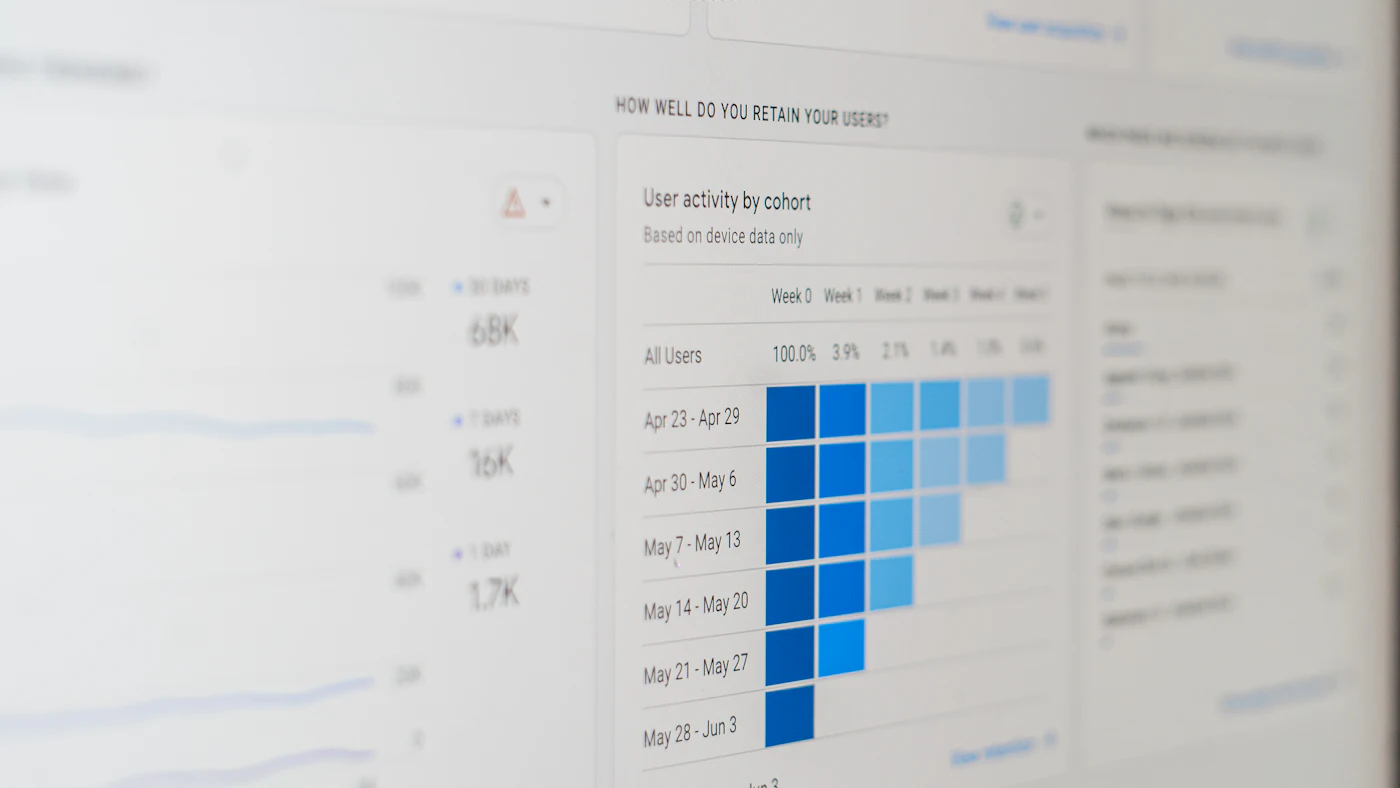
Open and click figures are easy to see but easy to be misled by. Privacy protections in a number of email apps mean open figures no longer reflect actual behaviour. The more meaningful measures are those close to money and relationship: orders and revenue originating from messages, the share of customers who buy again, and unsubscribe and complaint figures.
Be careful in interpreting revenue attributed to email. Some customers who click a reminder might have bought anyway without being reminded. A more honest way to learn the true effect is to hold a small share of customers out of a flow for a period, then compare the behaviour of the two groups.
Test one thing at a time: the subject line, the sending time, or the wording of the call to action. Record the results and apply what proves better. Small, continuous improvements to automated flows compound, because those flows work every day.
Choosing a tool and connecting it to the store
Email marketing tools vary widely, from features built into a store platform to dedicated services. What matters most is not the number of features but how well the tool connects with your store's data: customers, orders, products, and basket contents. Without that connection, automated flows and segmentation cannot run.
Check how the cost is calculated, because many services charge by number of contacts or number of sends, and the cost can grow quickly. Check, too, how easy it is to export data. The contact list is your asset; make sure you can take it with you if you later change tools.
For a custom built store, integration with the marketing tool is best designed from the start: which events are sent, what data goes with them, and how customer permissions are synchronised both ways. A change of permission in one place must take effect in the other immediately.
Common mistakes to avoid
- Buying a contact list or adding people without consent
- Sending the same message to everyone without segmentation
- Hiding the unsubscribe link
- Offering an automatic discount on every abandoned basket
- Leaving automated flows for years without reviewing their content
- Judging success by open figures alone
First steps you can start this week
- 01Check and tidy your order confirmation and shipping notification messages
- 02Make sure sign up forms ask for permission clearly and are not preticked
- 03Set up sender authentication on the store's domain as your provider instructs
- 04Build one welcome flow and one after purchase flow
- 05Decide the measures you will watch: repeat purchases, revenue from messages, and unsubscribes
Closing
Good email marketing is not about sending as much as possible, but about sending the right message to people willing to receive it at a sensible moment. Done with permission, relevance, and respect, this channel turns one time buyers into returning customers at a far lower cost than constantly looking for new people.
Start with transactional messages, add a few automated flows, connect them to the store's data, and measure the results honestly. That tidy foundation will keep working for your store every day, including when the advertising budget is being held back.
Want an online store connected to automated marketing and customer data?
The AG·SORA team builds online stores and CRM with tidy customer data, automated message flows, per channel consent records, and repeat purchase reports. The initial consultation is free and without obligation.
Free consultationRecommended for you
Reading related to this topic
Customer Reviews and Online Reputation Management: Building Trust That Sells
How to ask for reviews ethically, respond to positive and negative reviews, deal with fake reviews, and connect feedback with your CRM and operations.
Customer Contract and Renewal Management: So No Revenue Quietly Expires
Managing customer contracts in a structured way: key data, the contract life cycle, the renewal process, price increases, links to billing and service, and portfolio reviews.
Customer Support Ticket Systems and SLAs: Serving Many Channels with One Orderly Queue
When a ticket system is needed: one queue for all channels, categories and priorities, realistic service level agreements, a knowledge base, cross department escalation, measuring quality, handling upset customers, proactive support, and data privacy.
Free checklist: choosing a software house
24 points to evaluate a vendor before you sign. Can be saved as a PDF.
Ready to build a system that grows with your business?
Discuss your needs with the AG·SORA team, no cost, no commitment.